Start here: where did you find it?
Where you see a pest says a lot about what it is. Find your spot below, then jump to that pest.
| Where you found it | What it often is |
|---|---|
| Droppings in drawers or the garage | Mice |
| A line of small ants on the counter | Pavement or house ants |
| Big black ants or sawdust piles | Carpenter ants |
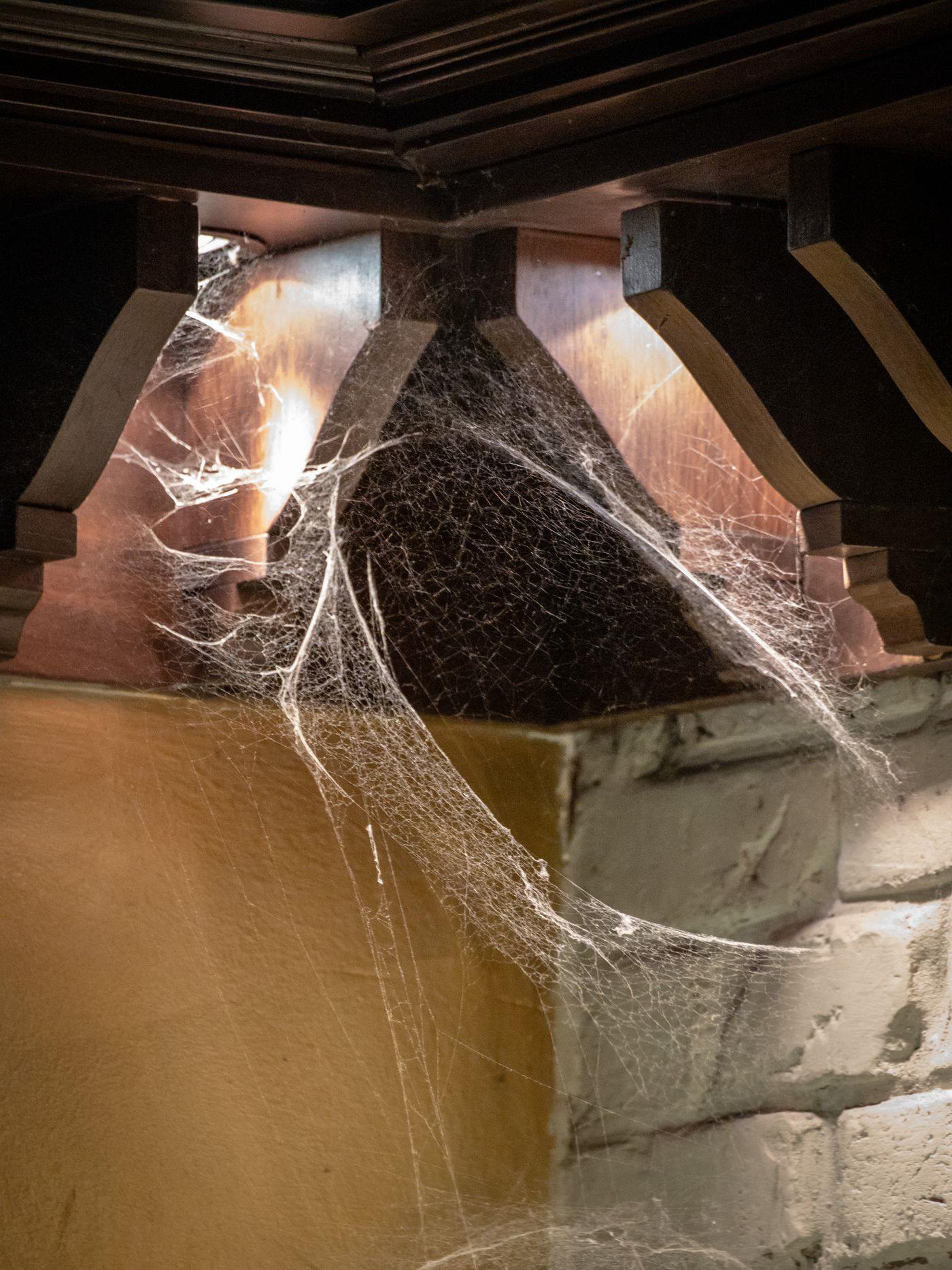
| Webs in corners and the basement | House spiders |
| A papery nest under the eaves or deck | Paper wasps or yellowjackets |
| Bugs that run when the kitchen light goes on | Cockroaches |
| Itchy bites in a line after sleeping | Bed bugs |
| Bites in the yard at dusk | Mosquitoes |
| A tiny bug stuck to skin after a walk | Ticks |
Mice
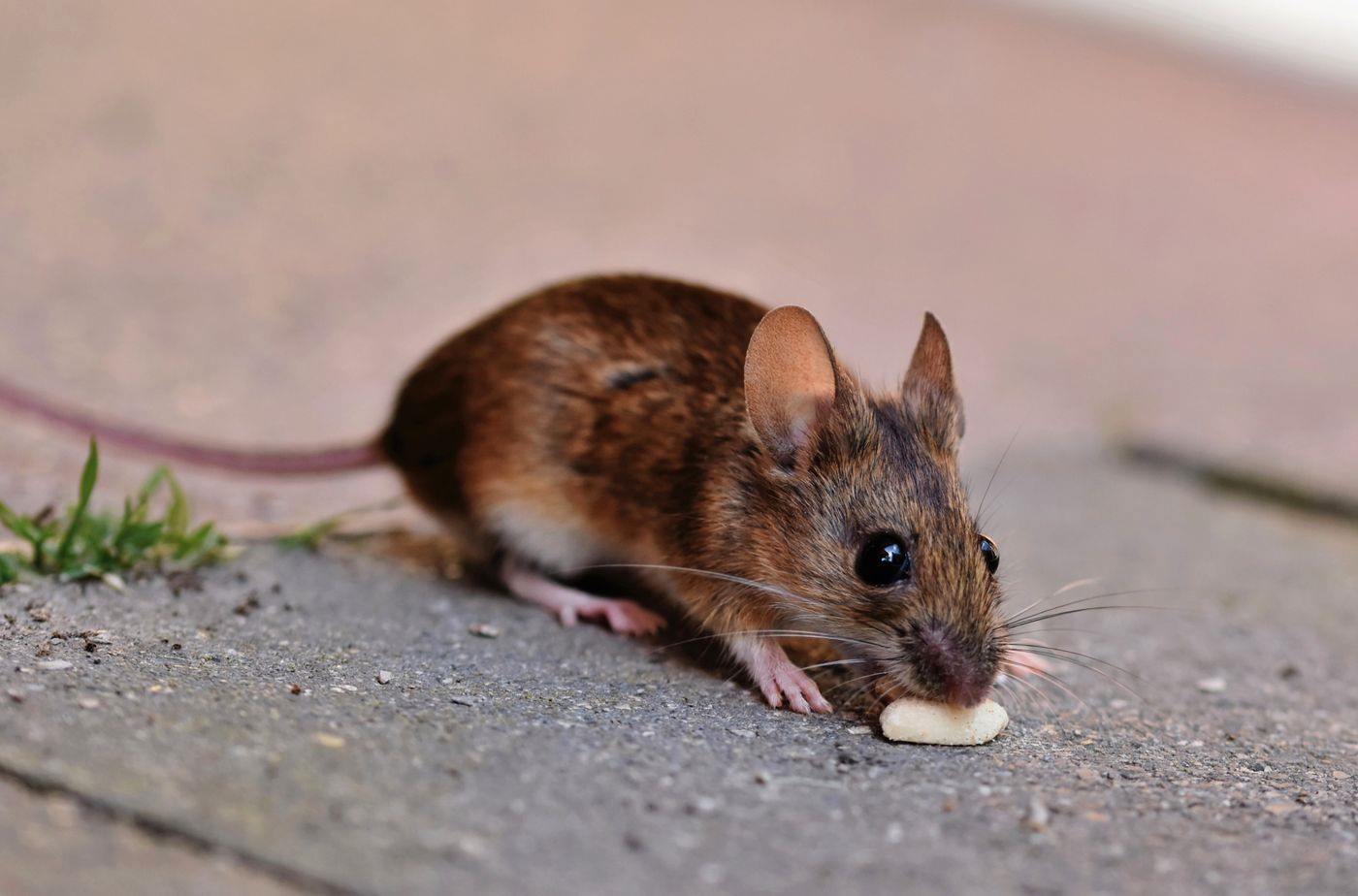
House mouse · Mus musculus
- Looks like
- A small gray-brown mouse, about 3 inches long, with big ears. Droppings are dark and about the size of a grain of rice.
- You'll find it
- Garages, kitchen drawers, under sinks, basements and attics. Mostly fall and winter.
- How worried to be
- Take it seriously. Mice chew wires, ruin stored food and multiply fast.
- Next step
- Set traps, store food in hard bins and look for gaps. If you keep catching them, see mouse control.
Ants
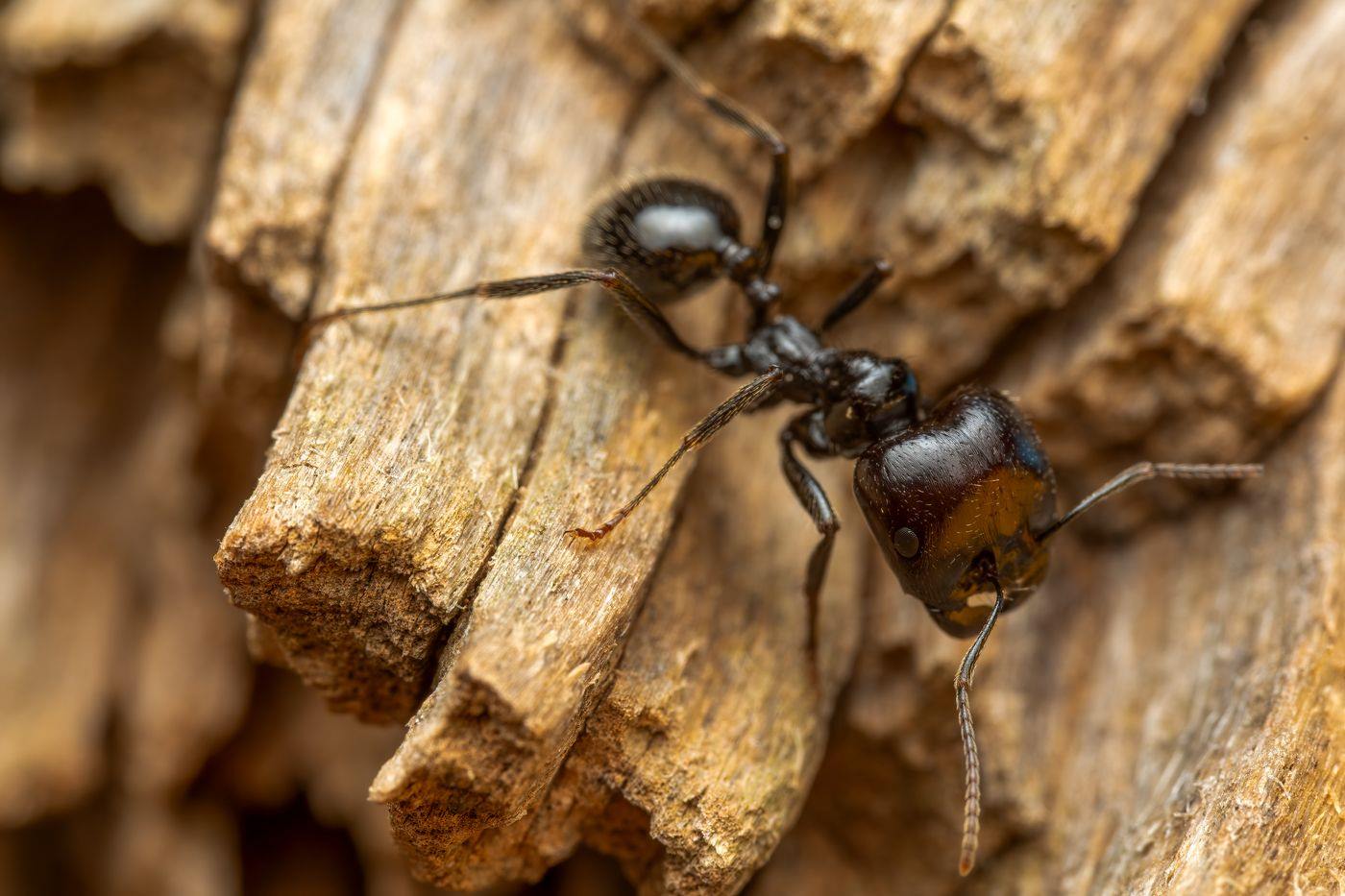
Carpenter ant · Camponotus pennsylvanicus
- Looks like
- Small brown or black ants in a line (pavement or house ants), or large black ants up to half an inch long (carpenter ants).
- You'll find it
- Kitchen counters, baseboards and windows in spring. Carpenter ants near damp wood, decks and window frames.
- How worried to be
- Small ants are a nuisance. Carpenter ants are worth a closer look because they tunnel into wood.
- Next step
- Wipe trails with soapy water and try bait. Big ants or sawdust? See ant control.
Spiders
House spider · Parasteatoda tepidariorum

- Looks like
- Small brown or gray spiders with round bodies, plus messy webs in corners.
- You'll find it
- Basements like this one, garages, window wells and under eaves. Most noticeable in late summer and fall.
- How worried to be
- Usually not much. Most house spiders are harmless and even eat other bugs.
- Next step
- Vacuum webs, use sealed bins and yellow outdoor bulbs. Webs everywhere? See spider control.
Wasps & yellowjackets
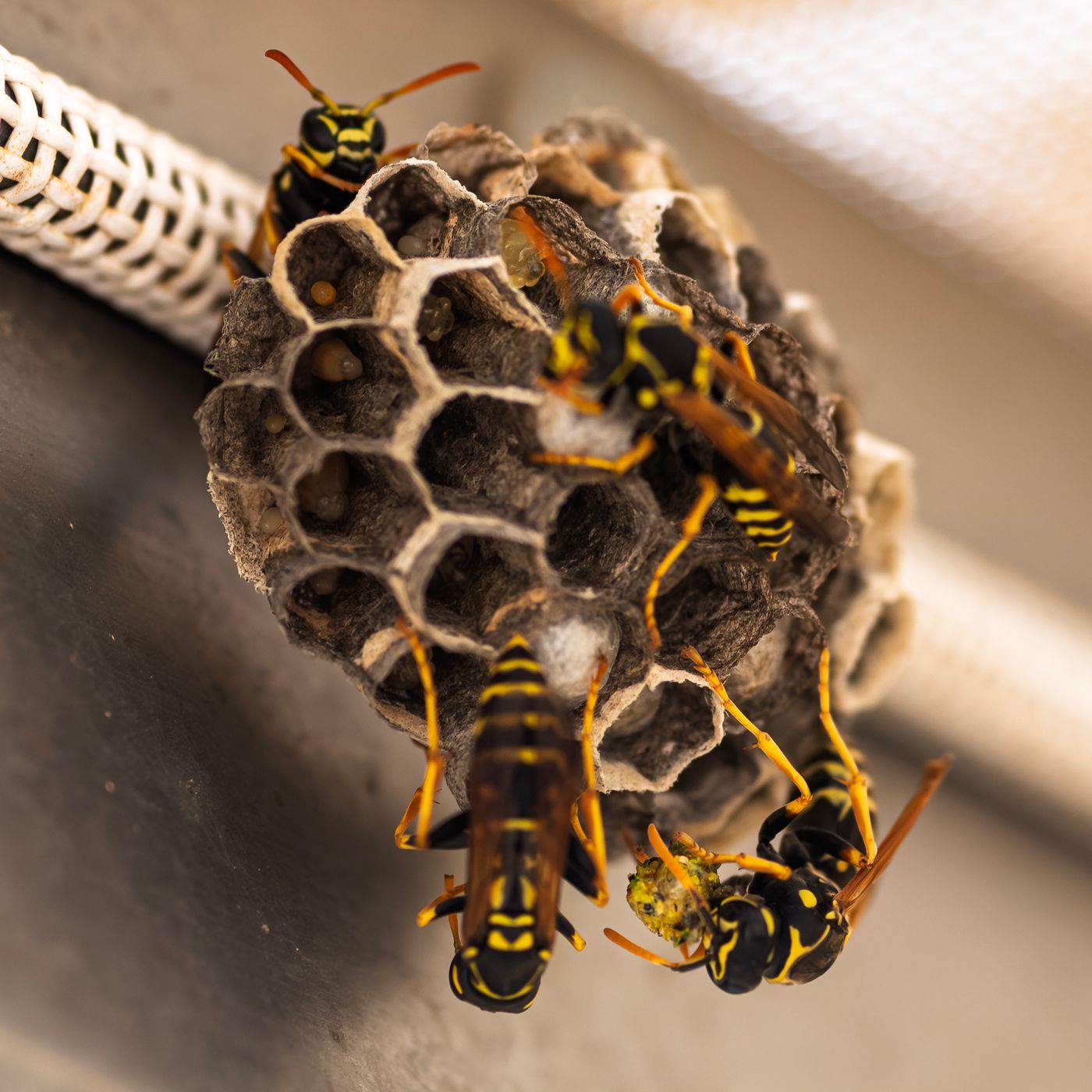
Yellowjacket · Vespula maculifrons
- Looks like
- Black and yellow, with a thin "waist." Paper wasps have long dangling legs. Yellowjackets are shorter and stockier.
- You'll find it
- Gray paper nests under eaves and decks, or wasps going in and out of a hole in the ground or siding.
- How worried to be
- Very, if the nest is near a door or where kids play. Yellowjackets sting many times to protect their nest.
- Next step
- Keep people and pets away and don't seal the hole. See wasp removal.
Cockroaches
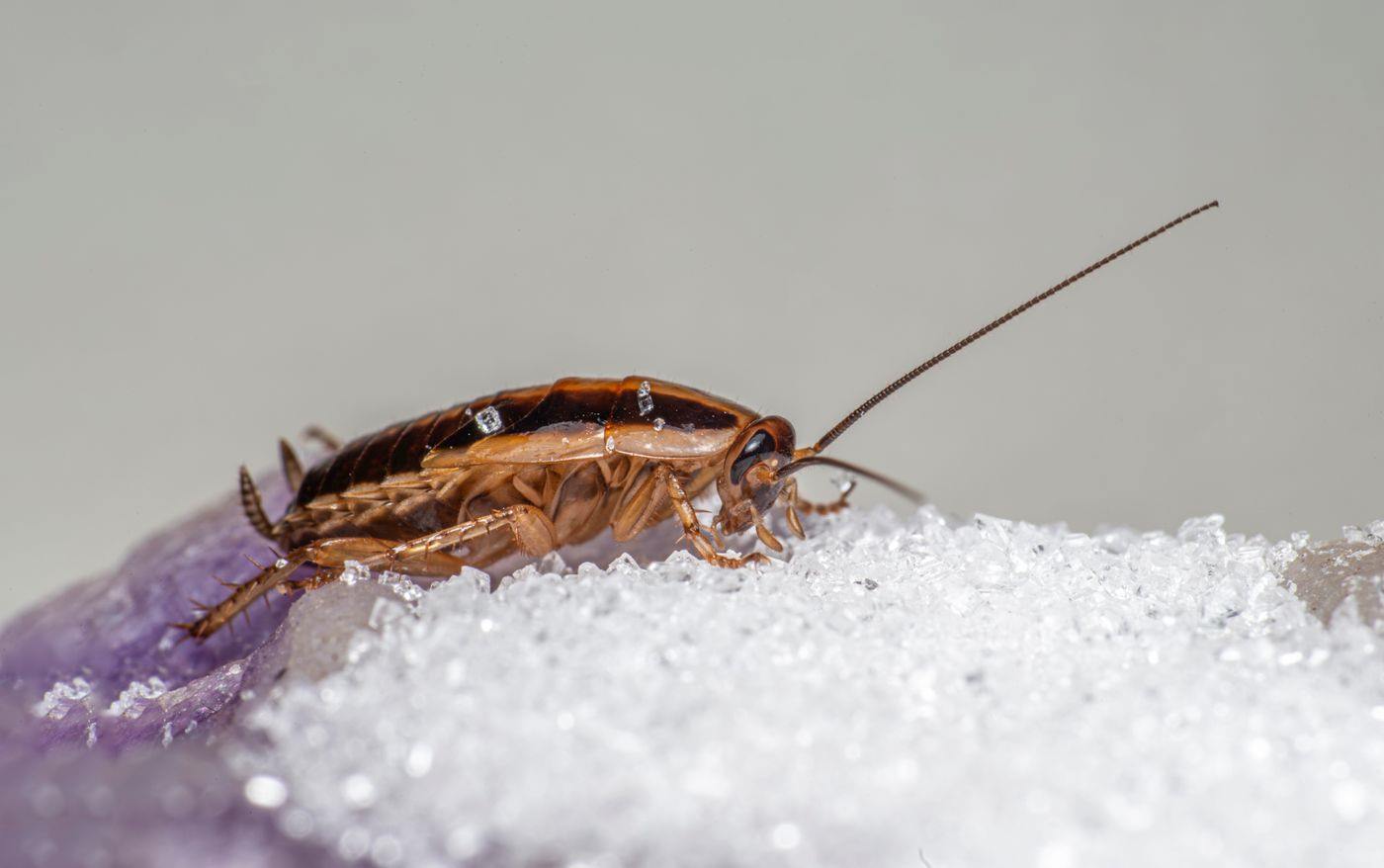
German cockroach · Blattella germanica
- Looks like
- Light brown, flat, about half an inch long, with two dark stripes behind the head. Long antennae.
- You'll find it
- Kitchens and bathrooms, near the fridge, stove, dishwasher and sink. Active at night.
- How worried to be
- Act fast. Roaches breed quickly and can spread germs to food.
- Next step
- Clean up crumbs, fix leaks and skip the bug spray. See cockroach control.
Bed bugs
Bed bug · Cimex lectularius
- Looks like
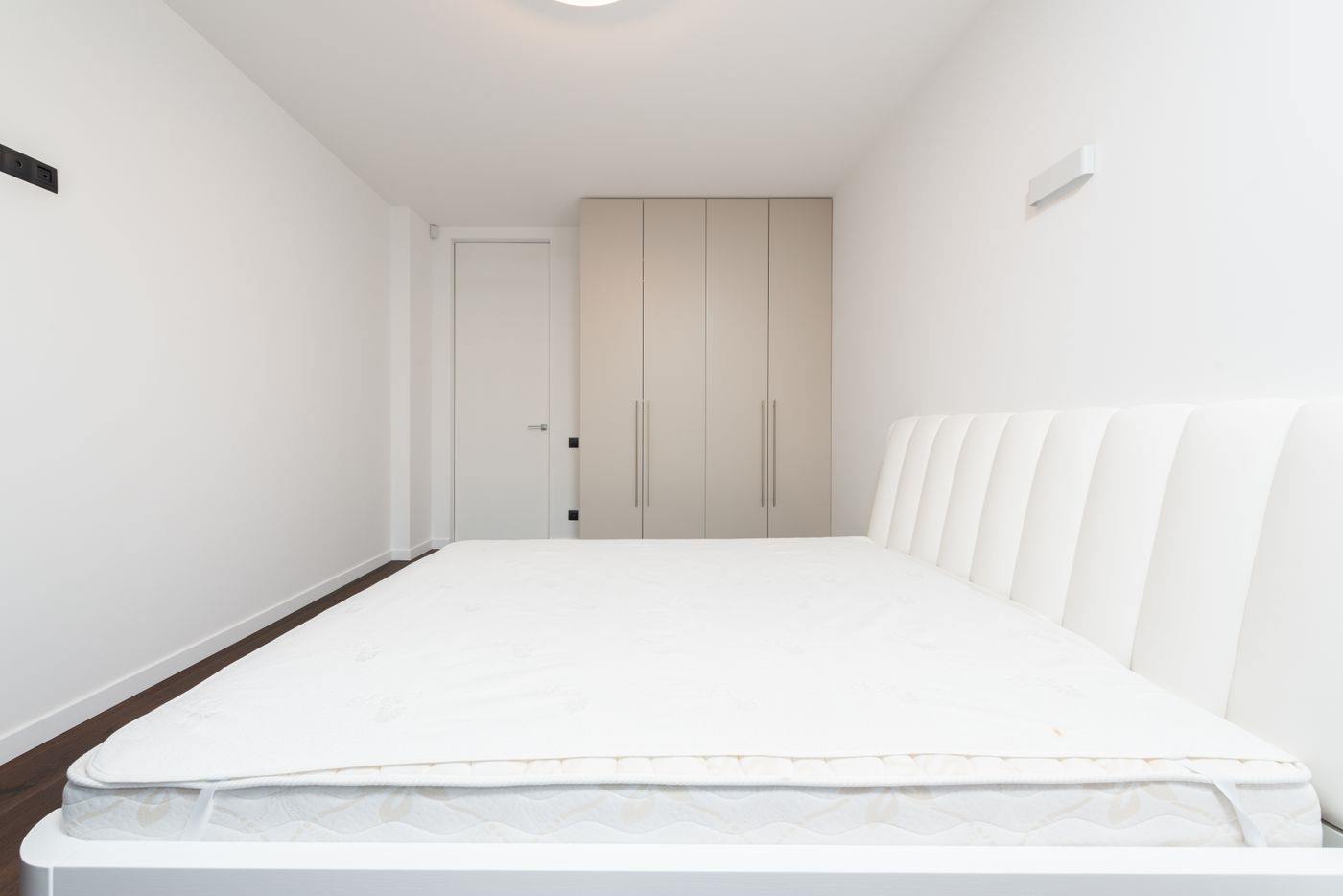
- Flat, oval, reddish-brown bugs about the size of an apple seed. Tiny dark spots on sheets and mattress seams.
- You'll find it
- Mattress seams, box springs, bed frames, headboards and couches.
- How worried to be
- They don't spread disease, but they're hard to get rid of on your own.
- Next step
- Don't switch beds. Wash and dry bedding hot. See bed bug treatment.
Mosquitoes
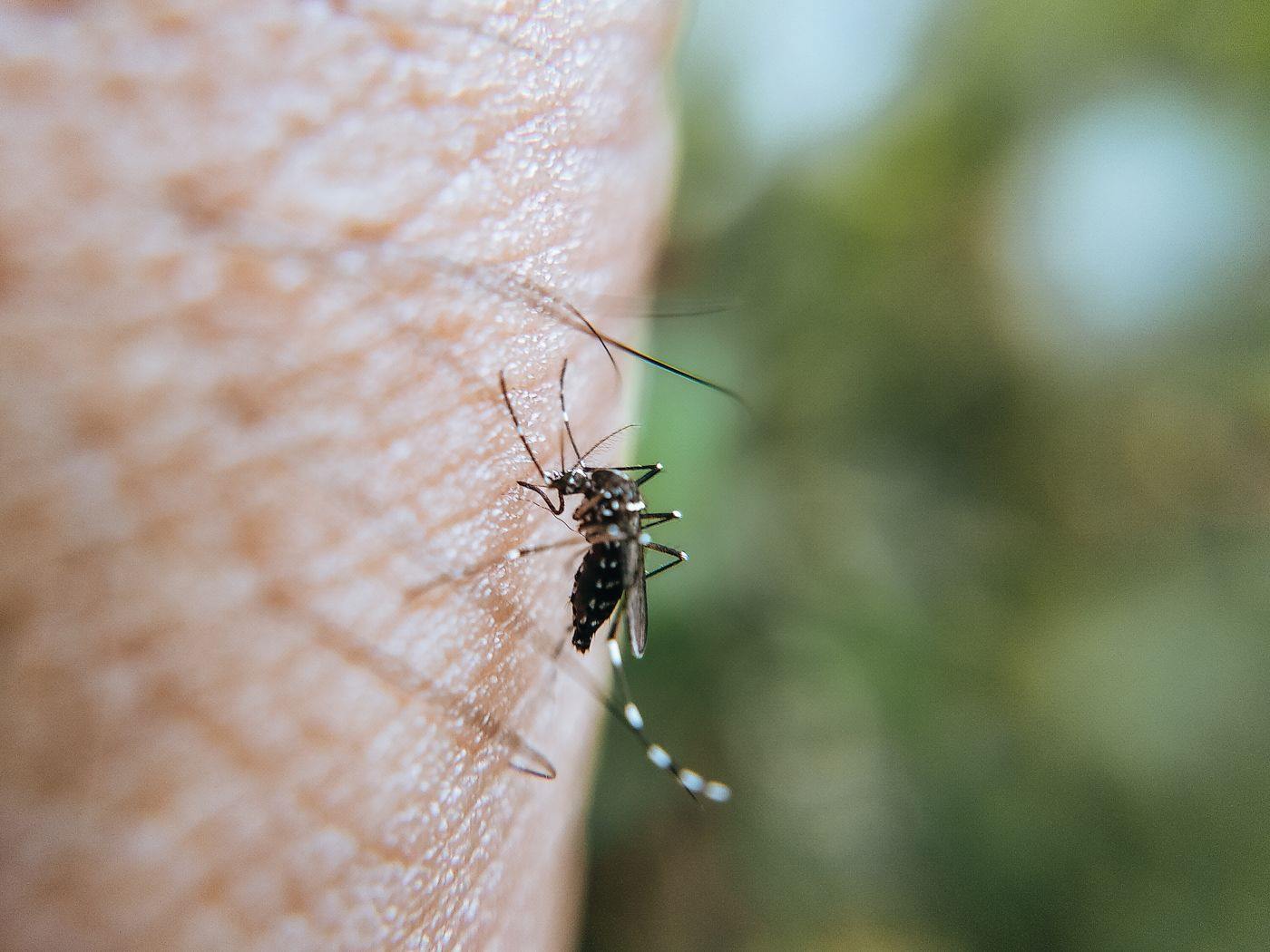
House mosquito · Culex pipiens
- Looks like
- Thin, long-legged flying bugs with a needle-like mouth.
- You'll find it
- Shady, damp parts of the yard, especially at dawn and dusk from May to September.
- How worried to be
- Mostly annoying, but some can carry West Nile virus.
- Next step
- Dump standing water weekly. See mosquito yard treatments.
Ticks
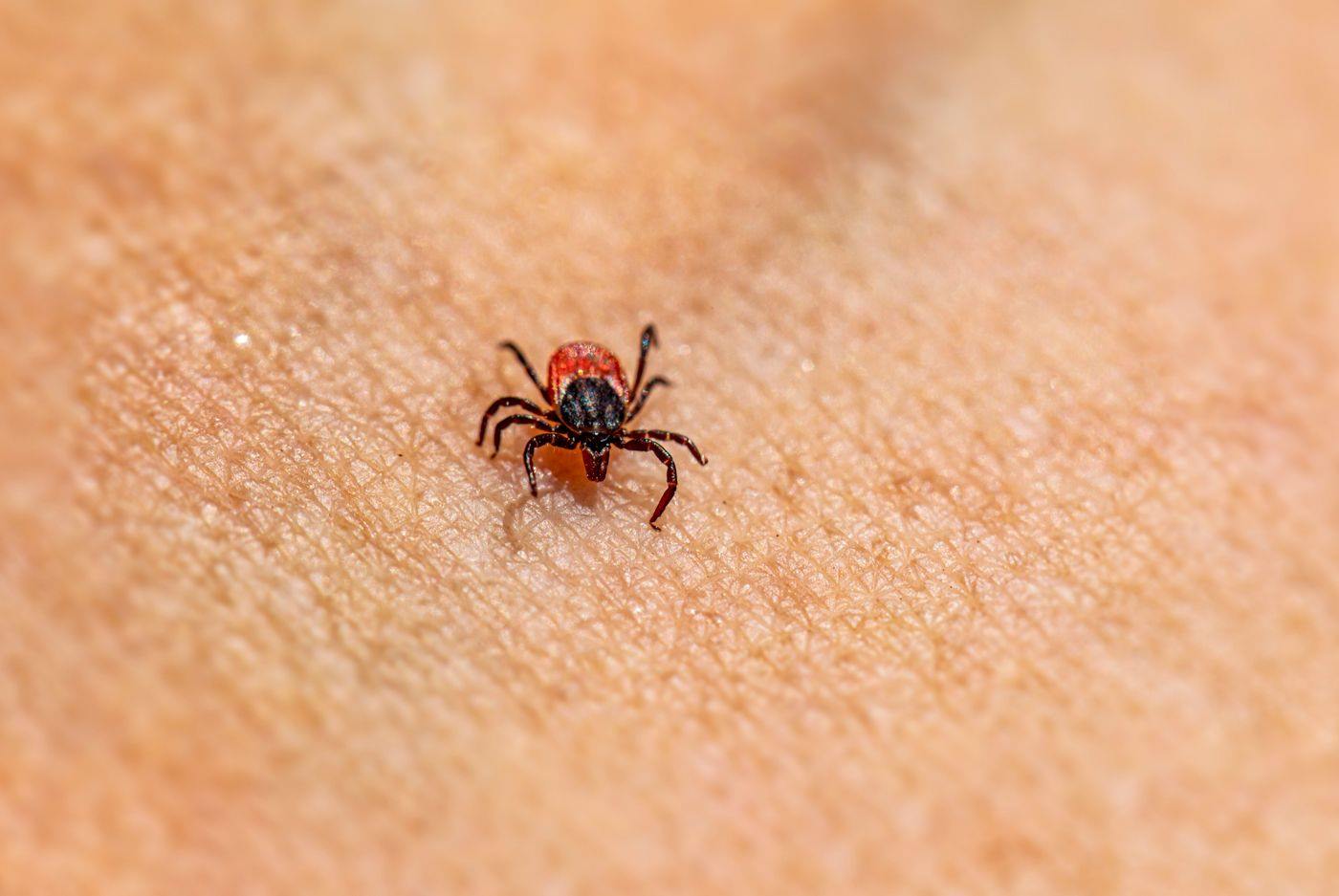
Deer tick · Ixodes scapularis
- Looks like
- Tiny, flat, eight-legged bugs. Deer ticks can be as small as a poppy seed.
- You'll find it
- Tall grass, brush and wooded edges. On people and pets after time outside.
- How worried to be
- Take them seriously. Deer ticks can spread Lyme disease.
- Next step
- Remove with fine tweezers, pulling straight out. Call your doctor if you get a rash or fever. See tick yard treatments.
How to take a bug photo we can use
- Get close, but safe. Fill the screen with the bug. Don't get near a wasp nest.
- Add something for size. A coin or ruler next to it helps a lot.
- Use good light. Turn on a light or step outside. Skip the flash if it washes the bug out.
- Show where you found it. A second wider photo of the spot gives helpful clues.
Still not sure? Call and describe it. We'll tell you what it probably is and whether you need us.
Call (331) 341-3739Bug guide questions
What should I do if I can't tell what the bug is?
Take a clear photo with a coin for size and give us a call at (331) 341-3739. We'll help you figure it out.
Should I kill the bug or catch it?
If it's safe to do, catching it in a sealed jar or bag can help with ID. Never try to catch wasps or handle a tick with bare fingers.
Is one bug a sign of a bigger problem?
Not always. One spider or one ant scout is normal. Seeing the same pest again and again, or finding droppings, usually means there's more you can't see.